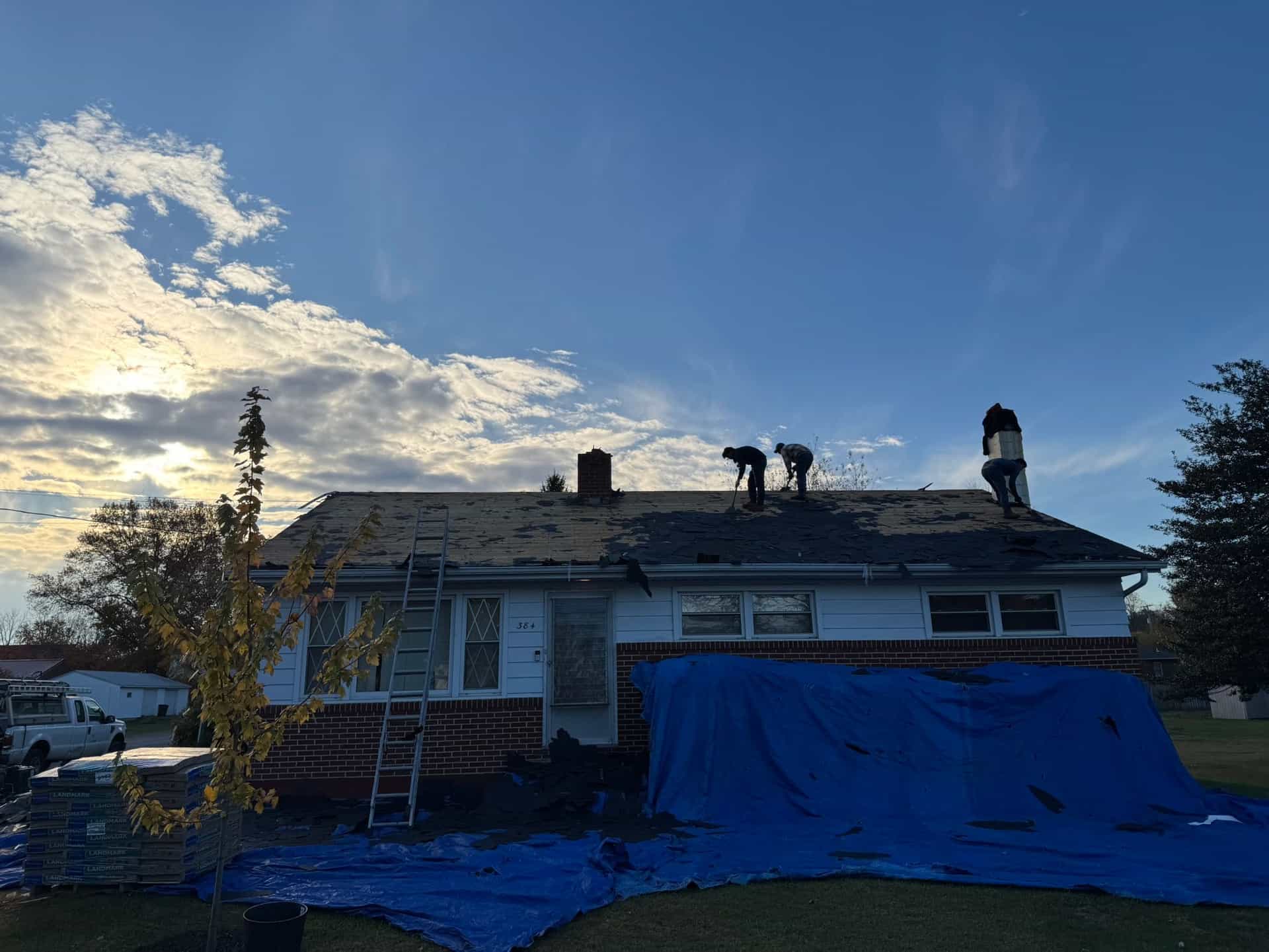
A standard all-perils homeowners insurance policy typically covers roof damage and replacement costs, which is reassuring. However, coverage applies only when the damage is caused by sudden accidents or natural events, like storms or falling trees. Routine wear and tear or issues arising from an aging roof are not included, as these are considered general maintenance responsibilities of the homeowner. If your roof has exceeded its expected lifespan or deteriorated due to neglect, insurance won’t cover the repairs. To avoid unexpected costs, it’s essential to keep up with regular roof maintenance and inspections.
Key Points:
- Homeowners insurance generally covers roof replacement if damage is caused by a natural event or sudden accident.
- Insurance typically won’t cover roof repairs or replacements if the damage is due to gradual wear and tear or neglect.
- Roofs older than 20 years may have limited or no coverage.
- To improve the chances of claim approval, maintain detailed records of repairs, take before-and-after photos, and obtain inspection reports. Always notify your insurance company as soon as damage occurs to expedite the process.
How Roof Insurance Coverage Works
In Maryland, your roof faces constant exposure to varying weather conditions. While snow and ice are common concerns during winter, heavy rain, windstorms, and occasional hail also pose risks. Unlike northern regions dealing with snow or the Midwest facing tornadoes, Maryland homeowners need to be aware of damage from strong winds and storms, particularly during hurricane season. While Maryland isn’t as hurricane-prone as Florida, where wind mitigation discounts are common in insurance policies, it’s still essential to ensure your homeowner’s insurance covers potential roof damage from these natural forces to avoid costly repairs. Regular inspections help maintain your roof’s durability.
Mother Nature can cause direct damage and set off a chain reaction of other problems. For example, a strong windstorm might knock a tree onto your roof. Wildfires are another natural threat. Additionally, unexpected incidents can occur, such as debris falling from an explosion or even aircraft, causing significant damage to your roof. These scenarios, while less common, highlight the various ways your roof could face unexpected harm from both nature and unforeseen events.
Fortunately, your roof is a crucial part of your home’s structure, and the dwelling coverage in your homeowners’ insurance policy usually provides protection against various perils. If your roof is damaged or destroyed due to covered events, you may be eligible for a full or partial replacement.
Important: For roofs over 20 years old, coverage is often limited, with insurance typically covering only the actual cash value rather than the full replacement cost.
You’ll still need to pay your policy deductible before your coverage takes effect. In certain high-risk states, some policies may require a higher deductible for damage caused by hurricanes or hailstorms. Homeowners in these areas often need to buy additional coverage or a separate windstorm or hurricane insurance policy to fully protect their property. However, anyone looking for extra protection or a broader level of coverage has the option to purchase it as well, ensuring greater peace of mind when facing potential damage from severe weather conditions.
Key Factors to Consider for Roof Coverage
If a significant event causes major roof damage—such as it collapsing, a large hole forming, or being completely torn off—your insurance is likely to cover it. However, less obvious damage can be more challenging. For example, if a severe thunderstorm slightly damages your shingles, the insurance company might classify it as cosmetic and not provide coverage. Similarly, if you discover leaks after the storm, the insurer could argue it’s due to wear and tear from the roof’s natural aging, which isn’t covered. Even when triggered by a storm, gradual deterioration typically falls outside the scope of insurance protection.
Interestingly, while water damage from a leaking roof that affects your walls, floors, or furniture is typically covered under the all-perils section of your homeowner’s insurance, the cost of repairing the roof itself usually isn’t included.
Preventing Roof Issues
Property owners are responsible for maintaining their roofs and understanding the lifespan of various roofing materials, which can range from 15 to 150 years. To ensure their roof stays in good condition, homeowners should consider hiring licensed professionals for routine inspections. Many roofing companies offer free inspections as a way to build future businesses, though it’s common for them to identify multiple issues during the process. Regular inspections and proactive care can help extend a roof’s lifespan and prevent costly repairs in the long run.
Ensure your roof stays clear of debris and doesn’t accumulate water. Trim any trees that touch or hang over the roof to prevent damage. After major storms or heavy snowfall, inspect your roof to check the condition of the shingles and gutters. For those in wind-prone regions, make sure your roof and home comply with current building codes to withstand potential weather-related damage. Regular maintenance like this helps protect your roof and extends its lifespan.
How to Get Reimbursed for Roof Replacement
Age works against your roof. Unless it’s made from a long-lasting material like slate, your roof loses value each year. Many insurers refuse to cover roofs over 25 years old. Additional exclusions may include lack of proper maintenance or neglect, the use of costly materials such as cedar or recycled shake shingles, and roofs with more than two layers of material. It’s essential to understand these potential policy limitations to avoid unexpected out-of-pocket expenses for repairs or replacements. Keeping your roof in good shape and knowing your coverage is key to protecting your home.
To improve your chances of having your insurance company cover roof repairs or replacements, start by requesting an inspection. Before the representative arrives, gather essential documents, including your current home insurance policy, home inspection reports, receipts for past repairs, and photos of any damage. If possible, take photos of your roof in good condition for comparison. These documents will support your claim. Once you’ve submitted the request, the insurance company will send an adjuster to assess the damage and provide their evaluation, which is a key part of the claims process.
Ways to Save Cost of a New Roof
The cost of a roof replacement typically ranges from $1.50 to $4.50 or more per square foot, depending on the material. Roofing estimates are sometimes provided by the “square,” which refers to a 10’x10′ area or 100 square feet. For instance, you might see a quote like $325 per square. Asphalt shingle repairs are generally more affordable, while tile and metal roofs tend to be pricier. To help reduce repair and replacement costs, consider these tips to manage your roofing expenses effectively.
- Do your homework. Before contacting contractors, understand the size and complexity of your roof, as well as the specific materials you want installed.
- Get multiple quotes. Compare estimates from several roofers and always check local references. Watch out for extremely low bids, which might indicate poor quality, and ensure roofers provide warranties on both materials and installation.
- Choose the right time. Roofers are busiest in late summer and fall, so scheduling in winter or spring could lead to lower costs or discounts.
- Tackle part of the job yourself. If you’re equipped and comfortable with heights, removing old shingles can reduce labor costs.
- Consider an overlay. Installing new shingles over old ones can cut expenses but may void warranties and increase future replacement costs due to added labor.
Should I Call My Homeowners Insurance Company for a Roof Leak?
Deciding whether to contact your homeowners insurance for a roof leak depends on several factors. If the leak is caused by normal wear and tear or the roof’s age, contacting your insurer likely isn’t beneficial, as most policies don’t cover these issues. Additionally, if your deductible equals or exceeds the repair cost, it may not be worth filing a claim, since it won’t save you money and could raise future premiums. However, if the leak is the result of sudden, unforeseen damage and requires significant repair or replacement, contacting your insurance company would be a wise decision.
Is Ceiling Damage Covered by Homeowners Insurance?
Homeowners insurance typically covers ceiling damage when it results from a covered event, such as a burst pipe. Most standard policies include protection for damage caused by sudden and accidental incidents, ensuring you’re not left with costly repairs. If a pipe bursts unexpectedly, causing water damage to your ceiling, your insurance will likely help cover the repair expenses. However, it’s important to review your specific policy, as coverage may vary. Regular maintenance and prompt attention to potential issues can also prevent unexpected damage, helping you avoid out-of-pocket costs for repairs that insurance might not cover.
Does Homeowners Insurance Cover Roof Shingles Blow Off?
Most homeowners insurance policies cover roof damage caused by windstorms. However, if you live in tornado-prone regions like Texas or Oklahoma, wind exclusions may apply, limiting coverage.
Conclusion
In conclusion, homeowners insurance can offer essential protection for roof damage and replacement, but coverage is typically limited to sudden, unforeseen events like storms, falling trees, or accidents. Regular wear and tear, aging, or neglect are generally not covered, so maintaining your roof through routine inspections and repairs is crucial. Homeowners should also be mindful of specific policy exclusions, especially in areas prone to windstorms or hurricanes, and ensure their roof complies with current building codes. Keeping detailed records of repairs and inspections can improve the chances of claim approval and reduce out-of-pocket expenses for roof repairs or replacements.
FAQs: Does Homeowners Insurance Cover Roof Replacement?
1. Does homeowners insurance cover roof replacement for age or wear and tear?
- No, homeowners insurance doesn’t cover roof replacement for age or wear and tear. It only covers damage caused by sudden and unforeseen events.
2. What types of roof damage does homeowners insurance cover?
- Homeowners insurance typically covers roof damage from storms, hail, falling trees, and sudden accidents like fire or vandalism.
3. Will my insurance cover the full cost of roof replacement?
- It depends on your policy. Some cover the full replacement cost, while others only pay the actual cash value, especially for older roofs.
4. Does homeowners insurance cover roofs older than 20 years?
- Coverage for roofs over 20 years old is often limited. Many insurers only cover the depreciated value instead of the full replacement cost.
5. How can I increase my chances of getting insurance to approve my roof replacement?
- Keep detailed records of repairs, take photos before and after damage, schedule regular inspections, and notify your insurance company promptly when damage occurs. These steps improve your chances of approval.