

Should You Replace Your Gutters With a New Roof?
If you are getting quotes for a new roof, gutters will come up. Some contractors include them, some quote them separately, and some do not mention them at all. It leaves a lot of homeowners wondering whether gutters are something they actually need to deal with right now, or whether they are being upsold.
The honest answer is that it depends on the condition and age of your existing gutters. It is not automatic either way. But roof work does create a genuine decision point, and it is worth understanding why before you sign anything.
This is a common enough question that it is worth answering directly. Should gutters be replaced when roofing is already happening, or is it better to keep the two projects separate? Whether you are actively weighing replacing gutters with a new roof, or just deciding whether to do the new roof and gutters at the same time, the answer comes down to a few concrete checks.
The Short Answer
If your gutters are within a few years of the end of their service life, replacing them during roof work usually makes sense. If they are in good condition with years left, there is no reason to touch them.
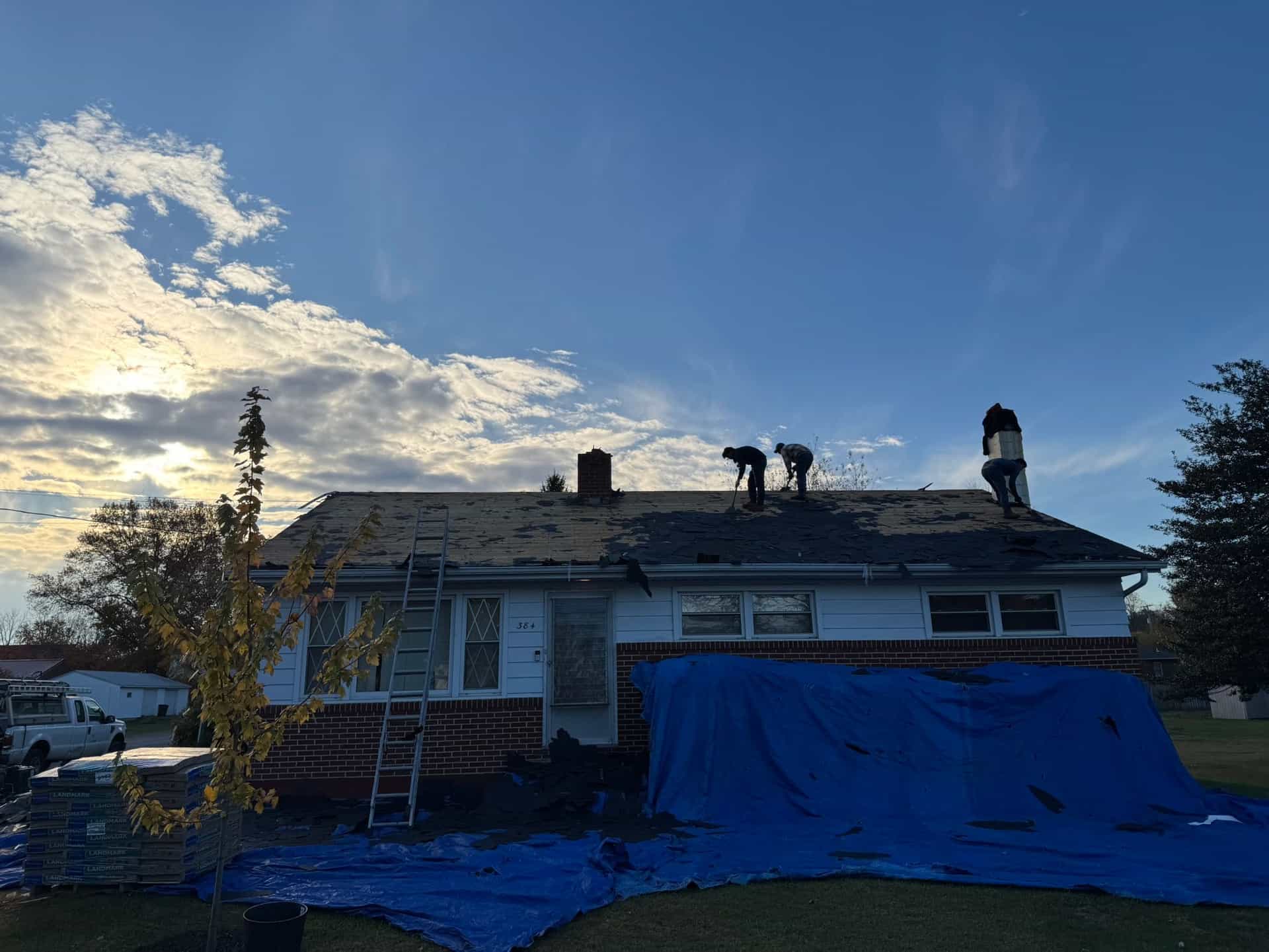
The reason roof work matters is that gutters often have to come off anyway. On most roof replacements, the crew needs access to the roof edge to install drip edge and underlayment properly. That means the gutters are already being removed and reinstalled, and the labor for that is already in the quote.
Why Roof Work Creates The Decision Point
There are three practical reasons gutters come up during a roof project.
The gutters are already coming off
Proper drip edge installation requires working at the roof edge, which is exactly where the gutters attach. On many jobs the gutters are detached, set aside, and reinstalled once the roofing is complete. If the gutters are old enough that they will need replacing within a few years, you are paying for that removal and reinstallation twice.
Old gutters do not always survive removal
Aluminum gutters that have been in place for fifteen or twenty years can be brittle at the hanger points. Sections sometimes bend or crack during removal, particularly where rust has developed or where hangers have worked loose over time. A crew can be careful, but a system near the end of its life will not always come off and go back on cleanly.
Setup costs are shared
Ladders, staging, crew time, and disposal are already accounted for on a roof project. Doing gutters as a separate job later means paying for that setup a second time. This is the main reason combining the two is generally more efficient, though the size of that difference depends on your home.
When To Keep Your Existing Gutters
Replacing gutters during roof work is not automatic, and a contractor who tells you it is should be questioned. Keeping what you have makes sense when:
● The gutters are less than about ten years old and in sound condition
● They are seamless rather than sectional, with no separated joints
● There is no rust, sagging, or pulling away from the fascia
● The system handles heavy rain without overflowing
● The size matches what your roof sheds — a system that works now will keep working
A good roofing contractor will tell you when your gutters are fine. If yours are in this category, there is no benefit to replacing them, and the roof work will not shorten their life.
When Replacement Makes Sense
The case for replacing during roof work is stronger when:
● The gutters are fifteen years or older
● The system is sectional and joints have started separating
● There is visible rust, pitting, or pinholes
● Sections sag between hangers or have pulled away from the fascia
● The gutters overflow during ordinary rain even when clean, which usually means they were undersized to begin with
● The project changes your roofline or adds roof area, which changes how much water the system has to handle
That last point catches people out. If a roof replacement changes the pitch, adds a dormer, or extends a roof plane, the existing gutters may no longer be sized correctly even if they are in perfect condition.
What About Gutter Guards?
If you are replacing gutters as part of roof work, it is the natural moment to consider guards as well, since the system is already open and accessible. Installing guards later is possible on most systems, but doing it during the same visit avoids a separate trip and a second setup charge.
Whether guards are worth it depends on your tree cover and how often your gutters currently need clearing. Homes surrounded by mature trees benefit most. Homes with little overhang often do not need them at all.
Questions Worth Asking Your Contractor
Before you agree to anything, these are reasonable things to ask:
● Will the gutters need to come off for this roof work?
● If they come off, are you confident they will go back on without damage?
● What condition are my gutters in, honestly?
● Is the gutter work quoted separately, and can I see it broken out?
● If I keep my existing gutters, will that affect the roof warranty in any way?
A contractor who handles both roofing and gutters should be able to answer all of these without hesitation.
Get An Honest Assessment
Shumaker Roofing has served Frederick County since 1946. We are veteran-owned, licensed, and insured, and we handle both roofing and seamless gutter installation in Frederick, MD, which means we can look at both systems together and tell you what each one actually needs.
Sometimes that means replacing both. Sometimes it means the roof needs work and the gutters are fine for another decade. We will tell you which.
